Shangri-Ha Cactus Ranch
Espostoa (Vatricania) Guentheri (Cutting) 45" Tall! Red Foxtail Cactus
Espostoa (Vatricania) Guentheri (Cutting) 45" Tall! Red Foxtail Cactus
Couldn't load pickup availability
Espostoa (Vatricania) Guentheri – Red Foxtail Cactus (Cutting) 45" Tall! Old!
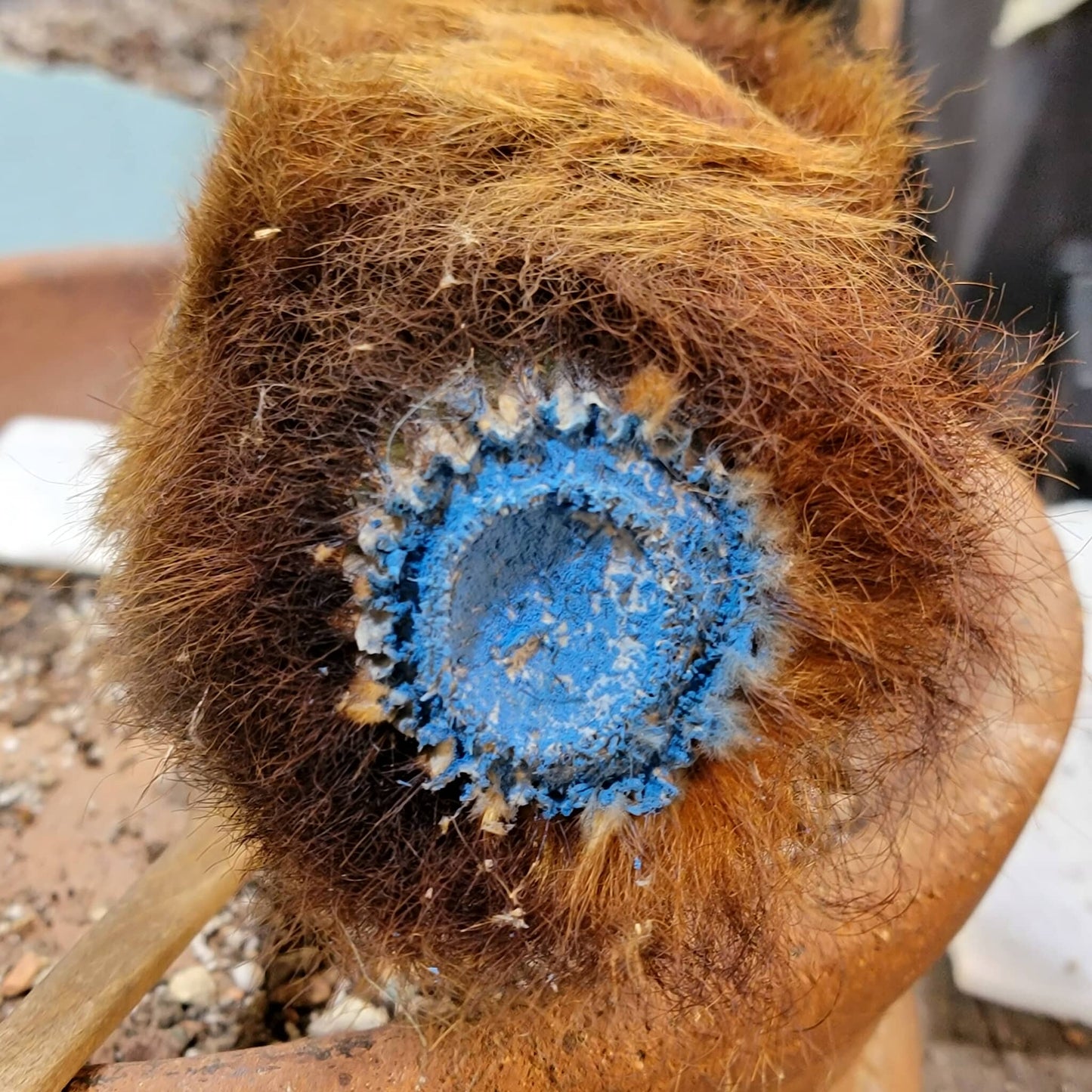
You will receive this exact, insane specimen. This is a cutting from a VERY old specimen.
Measures 45” tall.
There are no roots as this is a cutting so make sure you are comfortable with that.
This is a HUGE and heavy specimen and will be a little expensive to ship.
Showcased here in one-of-a-kind handmade pottery (sold separately).
Will be shipped bare root.
Espostoa guentheri, also known by its synonym Vatricania guentheri, is a striking perennial columnar cactus native to Bolivia. It is commonly called the Red Foxtail Cactus due to the dense, reddish-brown, woolly structures (cephalia) that grow on its mature stems.
DESCRIPTION and CHARACTERISTICS:
- Appearance The cactus is characterized by its pale green, erect, and shrubby stems that can reach heights of up to 2 meters (over 6 feet). The stems are covered in dense, fine white spines, giving the plant a woolly or fuzzy appearance.
- Cephalium A key feature of mature plants is the development of a cephalium, a specialized, woolly area on the side of the stem where flowers emerge. This structure features vibrant, fox-red, woolly hairs that contrast beautifully with the white-spined stem.
- Flowers and Fruit It produces yellowish-white, funnel-shaped flowers, up to 8 cm long, that typically bloom in the early summer and open at night. After flowering, it yields edible fruit.
CULTIVATION and CARE:
- Sunlight The cactus thrives in full sun to partial shade, requiring at least 6-8 hours of sunlight daily.
- Soil It needs a well-draining, mineral-based soil mix to prevent root rot.
- Watering Water sparingly during the growing season (spring and summer), allowing the soil to dry out completely between waterings. Keep it perfectly dry during the winter months.
- Hardiness It is drought-tolerant and prefers warm temperatures. While it can tolerate some cold, it requires protection from frost and generally needs a minimum temperature of 10°C (50°F) to avoid damage. It is best suited for USDA zones 9 through 11.